2026
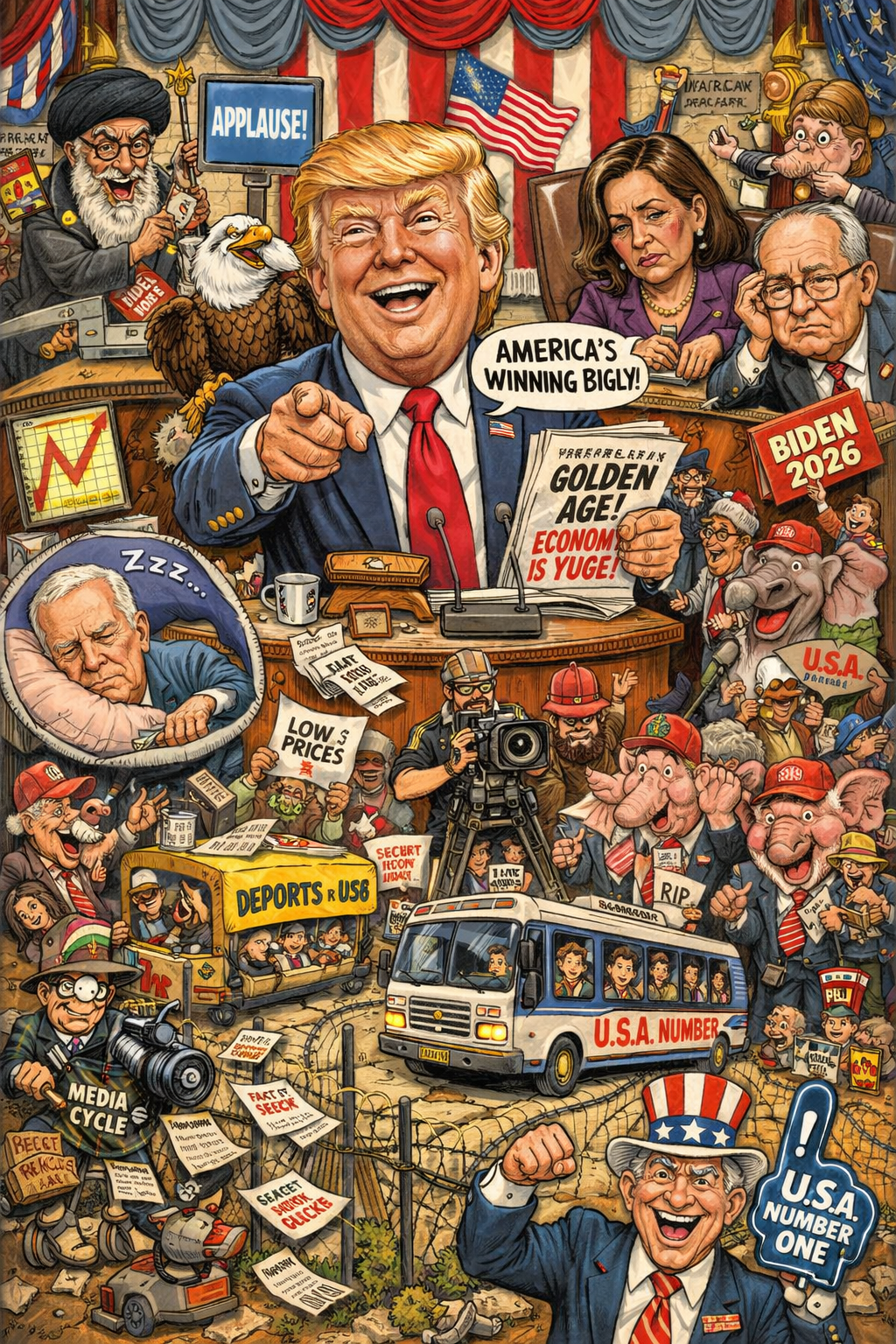
BREAKING: Ayatollah dead - Iran’s Supreme Leader reportedly killed after military strikes youtube.com/watch
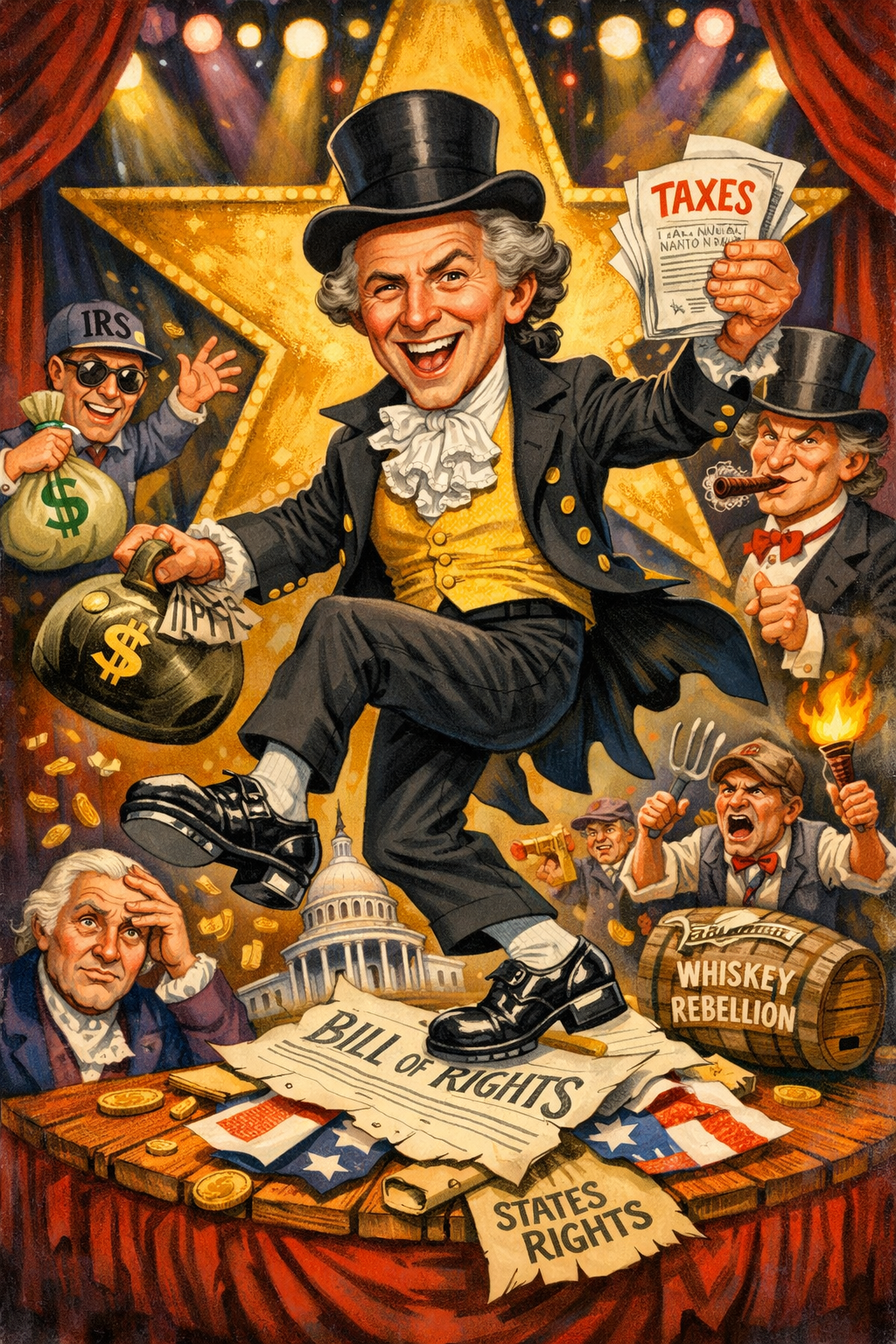
Alexander Hamilton was the villain all along!
Alexander Hamilton operated at a fragile moment when the American experiment was shifting from revolutionary democracy toward a structured constitutional republic. Many founders feared concentrated authority after breaking from monarchy, but Hamilton feared instability more than power. He believed popular passions could fracture the Union and that only a strong national government could impose order, credit, and long-term stability.
His program reflected this worldview. Hamilton promoted federal assumption of state debts, a national bank, permanent public credit, and robust taxation authority. These policies bound economic life to federal institutions and elevated national power above local independence. To supporters, this saved the republic from collapse. To critics, it marked the birth of American statism, replacing decentralized liberty with administrative and financial consolidation.
Hamilton openly distrusted pure democracy. He favored leadership by educated elites and durable institutions insulated from sudden swings in public opinion. In a nation still experimenting with self-rule, he prioritized predictability and centralized coordination over grassroots autonomy.
The Whiskey Rebellion became the defining test. Frontier farmers resisted a federal whiskey excise tax they viewed as unfair and distant. Resistance escalated into intimidation of tax officials, and Hamilton urged decisive federal action. The government mobilized militia forces to suppress the uprising, demonstrating that the new republic possessed both the authority and the will to enforce national policy by force. For advocates, this proved constitutional government worked. For skeptics, it revealed how quickly revolutionary ideals could yield to centralized coercion.
Centuries later, Hamilton’s legacy underwent an unexpected cultural revival. The Broadway musical Hamilton transformed a complex, state-building figure into a modern symbol of outsider energy and democratic aspiration. Read playfully, one could see this as history’s most successful reputation reboot: a statesman who distrusted mass democracy recast as its poetic champion, complete with choreography and applause.
From a libertarian or small-government perspective, Hamilton’s true legacy is not rebellion but institution-building. He helped design a republic strong enough to discipline democracy itself, ensuring national authority would outlast revolutionary enthusiasm. Whether viewed as visionary or statist depends largely on whether one values stability over decentralization, and order over radical freedom.
America Does Not Go Abroad in Search of Monsters to Destroy. A timely, hopeful, reminder and prayer chrisabraham.com/blog/amer…
This is starting to feel like 1939
Here we go again.
According to reports, in continuation of today’s US and Israeli attacks, centers in the cities of Kermanshah, Karaj, Chabahar, and Tabriz have also been targeted. Targets in the cities of Isfahan, Shiraz, Qom, and Tehran have also been targeted.
This will doom the communists in Cuba to oblivion, Russia will not send any oil to them, because they will be faced with trying to aid Iran to keep their source of Shaheed drones open to attack Ukraine. China is seeing their oil sources systematically shut down so that they cannot invade Taiwan, unless they do it very quickly. What interesting time to be alive.
The more I think about this there are some similarities between the Chinese strategic military position and Japan’s strategic dilemma in 1940. President Franklin Roosevelt put an oil embargo against them for their invasion of China in 1940. This lead Japanese military planners to adopt a “now or never” attitude towards Pearl Harbor attack planning to secure Dutch oil in Indonesia. With both Venezuelan and Iranian oil taps shut off for Chinese military planning purposes, that leaves only Russian oil. I think this puts Chinese military planning for an amphibious invasion of Taiwan in a very similar dilemma to Japan in 1941.
The trouble is that the Chinese president, like Stalin during the Great Purges, has killed six of seven of his top generals in the military planning committee. But given his focus on invading Taiwan, I think the People’s Liberation Army planning committee will have to carry out an invasion of Taiwan within the next 6-12 months, or run out of oil. This is all leading to another Great War in the Pacific. Just my opinion, but it sure looks like that to me.
This is all ultimately aimed at China. Marco Rubio has kicked them out of Panama and Trump has forced the Mexican President to kill the top narco cartel leader CJNG, who is pushing Chinese precursor chemicals for fentanyl production by the ton into America killing hundreds of thousands of U.S. citizens annually. Pay back is a bitch. Iran is doomed but this is aimed squarely at China. The communists in Nicaragua will follow after the collapse of Cuba. Putin and Xi Jinping are going to start getting very lonely. Well we will see what happens within the next year. This is starting to feel like 1939.
They are attacking Ali Al Salem AB in Kuwait. Arifjan has to be next.
Holy Gospel of Jesus Christ according to Saint Matthew 5,20-26
20 Jesus said to his disciples: “I tell you, unless your righteousness surpasses that of the scribes and Pharisees, you will not enter into the Kingdom of heaven. 21 You have heard that it was said to your ancestors, ‘You shall not kill; and whoever kills will be liable to judgment.’ 22 But I say to you, whoever is angry with his brother will be liable to judgment, and whoever says to his brother, ‘Raqa,’ will be answerable to the Sanhedrin, and whoever says, ‘You fool,’ will be liable to fiery Gehenna. 23 Therefore, if you bring your gift to the altar, and there recall that your brother has anything against you, 24 leave your gift there at the altar, go first and be reconciled with your brother, and then come and offer your gift. 25 Settle with your opponent quickly while on the way to court with him. Otherwise your opponent will hand you over to the judge, and the judge will hand you over to the guard, and you will be thrown into prison. 26 Amen, I say to you, you will not be released until you have paid the last penny.”
From Yo Mama to Yo MAGA
You can’t really do classic “yo mama” jokes as a white guy in 2024 without it landing wrong. But if you convert “Yo Mama” to “Yo MAGA” and switch the target from a woman to a man, it reads as political satire instead of a cheap shot at someone’s mom. Please make it so. Here’s a dump you can rely on:
Yo MAGA so thin-skinned, he reports your joke as “election interference.” Yo MAGA so loud, his inside voice filed a noise complaint. Yo MAGA so online, he thinks “touch grass” is a landscaping conspiracy. Yo MAGA so loyal, he’d buy a “Limited Edition” rock if it had a flag on it. Yo MAGA so paranoid, he puts a PIN on his toaster. Yo MAGA so confident, he calls vibes “evidence” and evidence “fake.” Yo MAGA so stubborn, he could see the sun rise and still insist it’s propaganda. Yo MAGA so allergic to nuance, he carries an EpiPen labeled “context.” Yo MAGA so patriotic, he salutes the self-checkout. Yo MAGA so dramatic, he treats a parking ticket like the fall of Rome. Yo MAGA so conspiracy-brained, he thinks “2-factor authentication” is a deep-state triangle. Yo MAGA so nostalgic, he wants to make AOL great again. Yo MAGA so certain, he argues with weather radar. Yo MAGA so culture-war ready, he shadowboxes a Hallmark card aisle. Yo MAGA so merch-powered, his closet has a gift shop exit sign. Yo MAGA so slogan-happy, his thermostat is set to “LOCK IT UP.” Yo MAGA so anti-mainstream, he only drinks small-batch artisanal tap water. Yo MAGA so grievance-driven, his Fitbit counts “microaggressions” as steps. Yo MAGA so “do your research,” he considers a screenshot a peer-reviewed journal. Yo MAGA so loud about freedom, he wants to ban books by font choice. Yo MAGA so mad at the media, he rage-watches 12 hours a day “for balance.” Yo MAGA so “facts don’t care,” he still won’t read any. Yo MAGA so convinced he’s censored, he posts it publicly every 7 minutes. Yo MAGA so selective about law and order, he wants handcuffs with an exemption button. Yo MAGA so hard to get around, even Dijkstra says “nah, I’m good.”
Yo MAGA so big, his ego needs two zip codes. Yo MAGA so big, his shadow files a separate tax return. Yo MAGA so big, his “personal space” requires a zoning permit. Yo MAGA so big, Google Maps asks if you meant “a small country.” Yo MAGA so big, when he walks past the TV you miss the whole season. Yo MAGA so big, the camera has to pan… twice. Yo MAGA so big, his group chat has an overflow lane. Yo MAGA so big, his opinions arrive 15 minutes before he does.
Yo MAGA so old-school, he thinks PDFs are “new media.” Yo MAGA so old, his birth certificate came with a user manual. Yo MAGA so old, his first meme was a cave painting. Yo MAGA so old, he calls streaming “the radio but wetter.” Yo MAGA so old, he remembers when the Dead Sea was just “a bit tired.” Yo MAGA so old, his “throwback” is just “current events.”
Yo MAGA so dumb, he bought a donut and tried to return it because it had a hole. Yo MAGA so dumb, he thought Cheerios were donut seeds. Yo MAGA so dumb, he stared at orange juice for 12 hours because it said “concentrate.” Yo MAGA so dumb, he brought a ladder to the bar because the drinks were “on the house.” Yo MAGA so dumb, he put his phone on airplane mode and waited for takeoff. Yo MAGA so dumb, he tried to climb Mountain Dew. Yo MAGA so dumb, when the lights go out, he calls the Power Rangers. Yo MAGA so dumb, he watches 60 Minutes for an hour and a half. Yo MAGA so dumb, he needs GPS to find the point. Yo MAGA so dumb, he thinks a “hot take” requires a microwave.
Yo MAGA so ugly in his politics, even his reflection says “we’re not doing this today.” Yo MAGA so ugly to reality, the boomerang doesn’t come back. Yo MAGA so ugly to facts, even Google says “did you mean: cope?” Yo MAGA so ugly, his portrait tags itself “unverified source.” Yo MAGA so ugly, the mirror files a restraining order (for misinformation).
Yo MAGA breath so bad, his opinions fog up the room. Yo MAGA breath so bad, even his microphone tries to mute him. Yo MAGA so funky, deodorant asks for a fact-check. Yo MAGA so funky, “Secret” told on him.
Yo MAGA so cool, ice melts just to get away from his takes. Yo MAGA so cool, his hot takes come out as cold leftovers. Yo MAGA so cool, his refrigerator asks him to chill.
Yo MAGA so broke, he puts the dollar menu on layaway (and blames the deep state). Yo MAGA so broke, he can’t afford attention… but he still can’t pay it. Yo MAGA so broke, he opens his windows and the birds throw breadcrumbs in out of pity.
Yo MAGA so tall in his own mind, he has to duck under humility. Yo MAGA so tall, he uses a skyscraper to check his notifications. Yo MAGA so tall, Godzilla calls him “a bit much.”
Yo MAGA so short on details, his stories come in slogan size. Yo MAGA so short on patience, he rage-quits his own sentence.
Yo MAGA so smart… nah, he just memorized talking points with perfect confidence. Yo MAGA so smart, he has a PhD in “Actually…” (minor in “Source: trust me”). Yo MAGA so smart, he can explain everything except how anything works.
Yo MAGA so “alpha,” he argues with stop signs. Yo MAGA so “alpha,” he shadow debates customer service bots. Yo MAGA so “alpha,” he treats a suggestion like a coup.
Yo MAGA so “free thinker,” he only thinks in pre-approved phrases. Yo MAGA so “independent,” he needs a pack to tell him what to believe. Yo MAGA so “anti-establishment,” he made the establishment his whole personality. Yo MAGA so “patriot,” he’d pledge allegiance to a bumper sticker.
Yo MAGA so chaotic, his calendar needs a warning label. Yo MAGA so chaotic, even his GPS says “recalculating… your values.” Yo MAGA so chaotic, he turns a weather report into a civil war.
Yo MAGA so deep in the comments, he thinks daylight is propaganda. Yo MAGA so deep in the comments, he hears “fact-check” and reaches for pearls. Yo MAGA so deep in the comments, he needs a snorkel to find a point.
Yo MAGA so helpful, his schedule can accommodate any appointment… except with reality. Yo MAGA so nice, he’s delightful… right up until someone says “however.” Yo MAGA so polite, he says “with respect” before disrespecting physics.
Yo MAGA so committed, he’d bungee jump in a blue shirt and blame the sky for falling. Yo MAGA so committed, when he jumps he gets stuck… in his own narrative. Yo MAGA so committed, he rocks himself to sleep trying to get up from a bad take.
Yo MAGA so “always winning,” he calls any loss “fake” and any tie “a landslide.” Yo MAGA so “always right,” he treats a correction like a personal attack. Yo MAGA so “always right,” he argues with a receipt.
Feel free to steal them all. Attribution not needed. Copyright free.
“Border control as racism and fascism” is a pretty common belief if you listen hard enough. “Governments are racism and fascism,” too. What do you think? youtube.com/watch
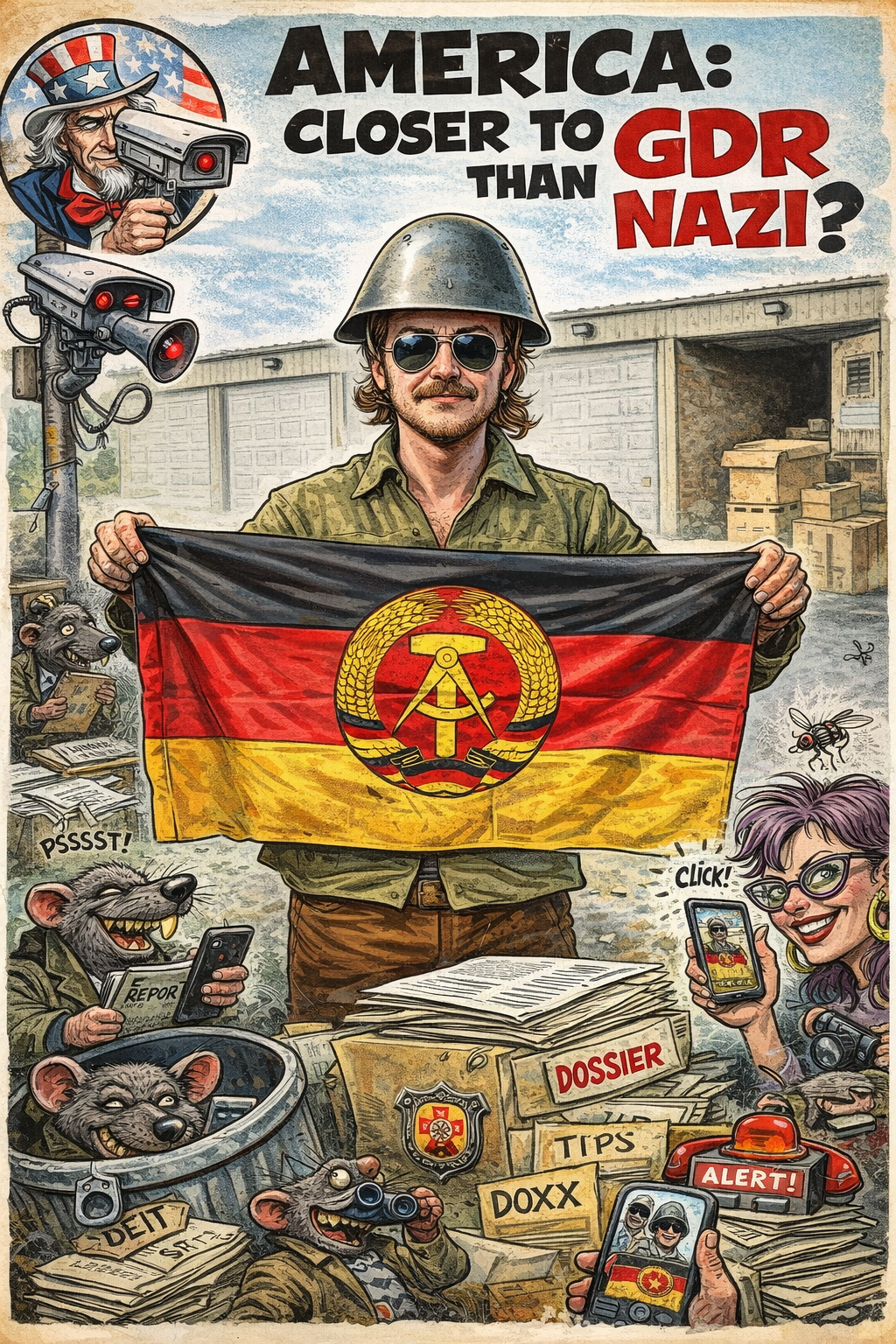
US is Much More GDR/DDR Germany than Nazi Germany
When people reach for “US = Nazis,” I think the better cautionary mirror is the GDR/DDR. Not because we’re recreating East Germany, but because the mechanics are closer: a society that runs on surveillance, files, permission, and social compliance more than torchlit ideology.
Quick primer: the GDR was East Germany (1949–1990), built in the Soviet zone after WWII. It had elections and slogans, but real power lived in the party and the security apparatus. The Stasi (state security) didn’t just “spy”; it built a world where people assumed they were being observed. It recruited ordinary people as informants. It kept dossiers. It used “lived off others” style moralizing about “antisocial” types and parasites to justify pressure, and it made travel, jobs, school, and housing feel conditional. Often the point wasn’t prison. It was making life awkward until you complied.
That’s why I say the US feels more DDR than SS: less mass rallies, more bureaucratic choke points. Today the “file” is your data trail. The “informant” is the tip line, the screenshot, the group chat. “Rat on your neighbor” turns into report buttons, call-outs, and doxxing. The punishment is frequently exclusion: lose the account, lose the job, lose the bank, lose the room in polite society. It’s not one villain; it’s a thousand institutions “just enforcing policy.”
Also: the GDR was uniquely German in its vibe. It inherited a German love of administration, records, and credentialing, then welded that to Soviet-style party control. It wasn’t only a Soviet copy. It was an efficient, paperwork-heavy, domestically staffed system that could feel normal on the surface while quietly coercing underneath.
None of this is sky-is-falling. It’s just a reminder: you don’t need cartoon evil to get real-world control. Sometimes it arrives as “for your safety,” “for trust,” “for the children,” plus a database and a culture that enjoys snitching.
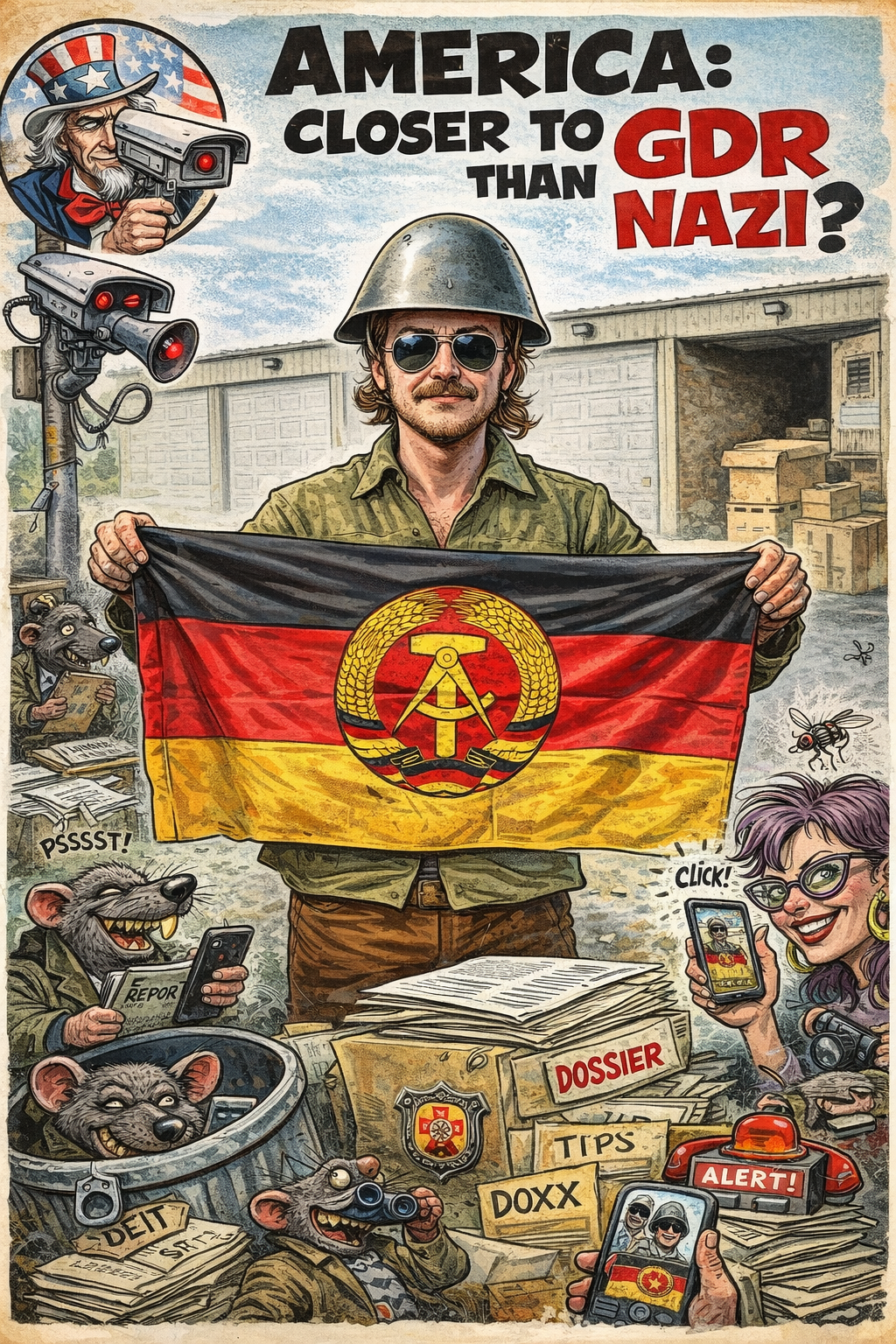
US vibes more GDR than Nazi. Not jackboots and ideology rallies, but paperwork-power: surveillance as “safety,” institutions keeping dossiers, and “report your neighbor” via tips, screenshots, and doxxing. DDR ran on quiet compliance and social pressure. Different scale, familiar mechanics.
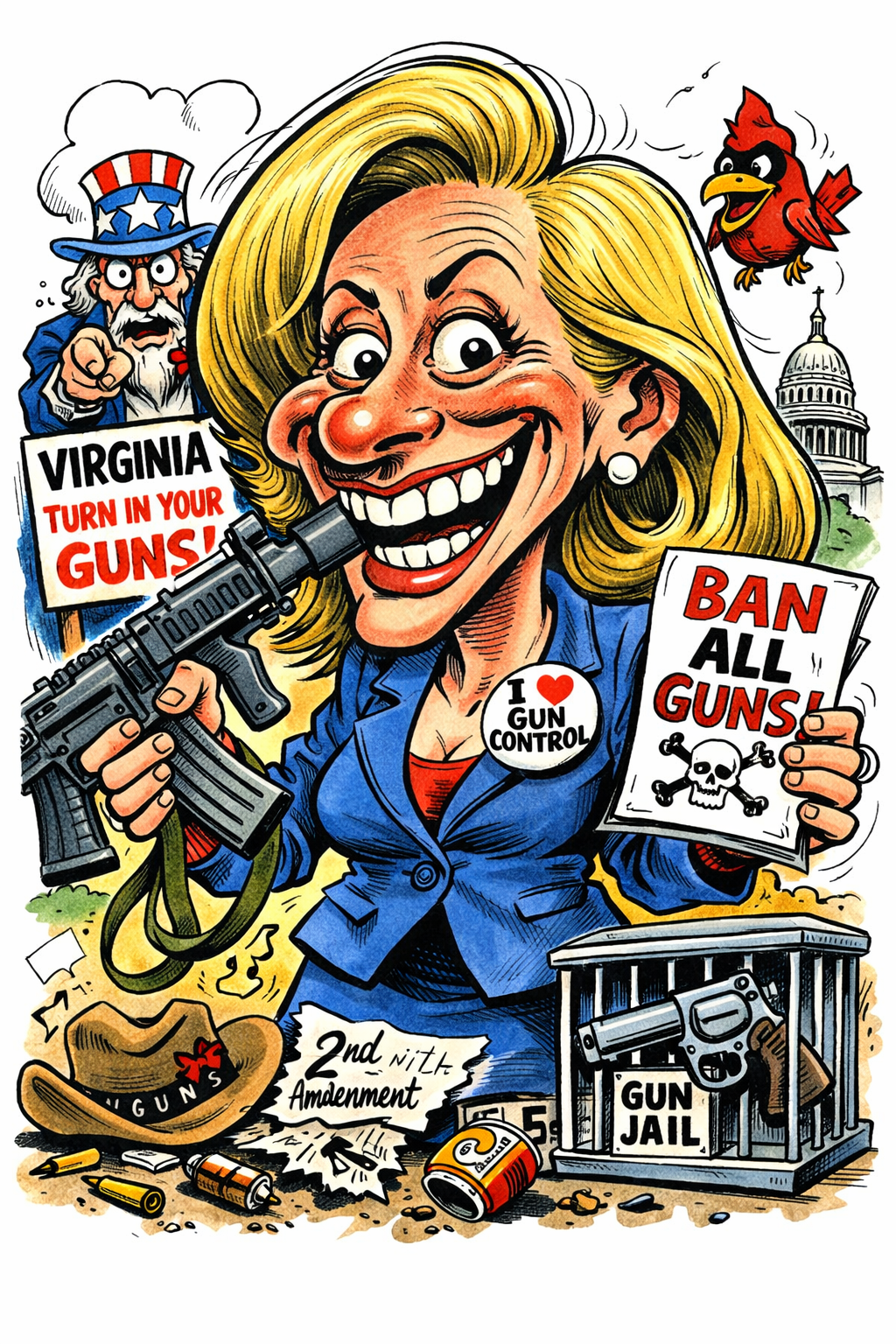
Anti-2A Abigail Spanberger Governor
Abigail Spanberger presents herself as a moderate Democrat. But moderation isn’t defined in the abstract—it’s defined by context.
Virginia has long occupied a middle ground in firearms policy. Not constitutional-carry absolutism, but not Maryland or DC either. A balance that allowed broad lawful ownership while maintaining certain guardrails. That balance is part of the state’s political identity.
When proposals include bans on widely owned semi-automatic rifles, 10-round magazine limits, and the absence of meaningful grandfathering, that isn’t perceived as incremental. It’s perceived as a structural change.
You can argue the merits of the policy. You can argue public safety. You can argue comparative standards. But calling it “moderate” depends entirely on what you’re comparing it to.
If the baseline is California, New York, Maryland, or DC, then yes, Virginia’s proposals may seem restrained. But if the baseline is Virginia’s own legal and cultural history—its military presence, hunting tradition, and large population of lawful gun owners—then this feels like a directional shift.
That’s the disconnect.
This isn’t about rhetoric or partisan labels. It’s about alignment with the expectations of the state being governed. For many lawful Virginia gun owners, the current agenda does not feel like moderation within our own political tradition.
And perception, in politics, matters as much as intent.
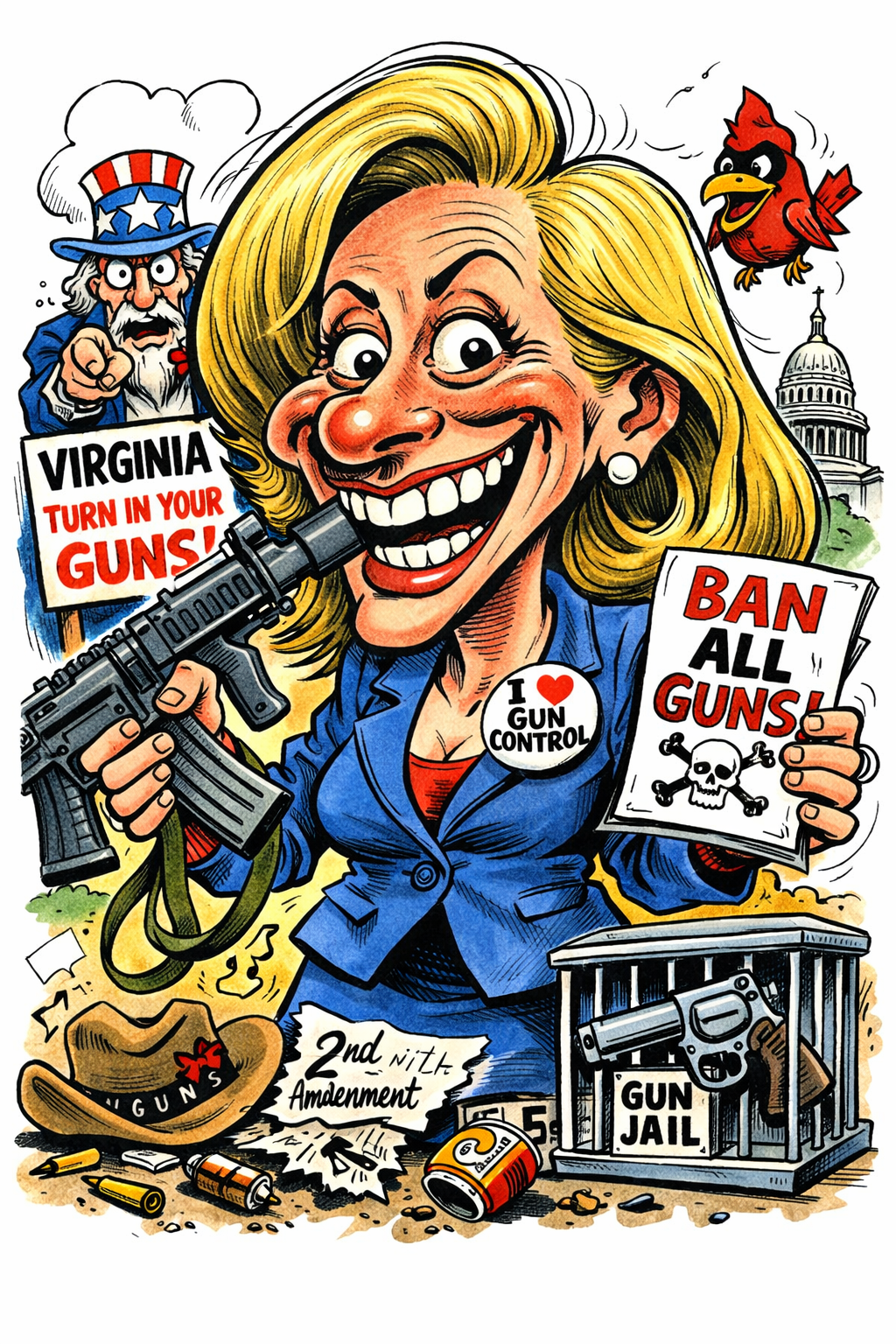
Spanberger calls herself a “moderate Democrat.” But in Virginia, banning common semi-autos, imposing 10-round limits, and eliminating grandfathering doesn’t feel moderate to many lawful gun owners. That may be moderate for Maryland or DC. It’s not how Virginia has traditionally governed.

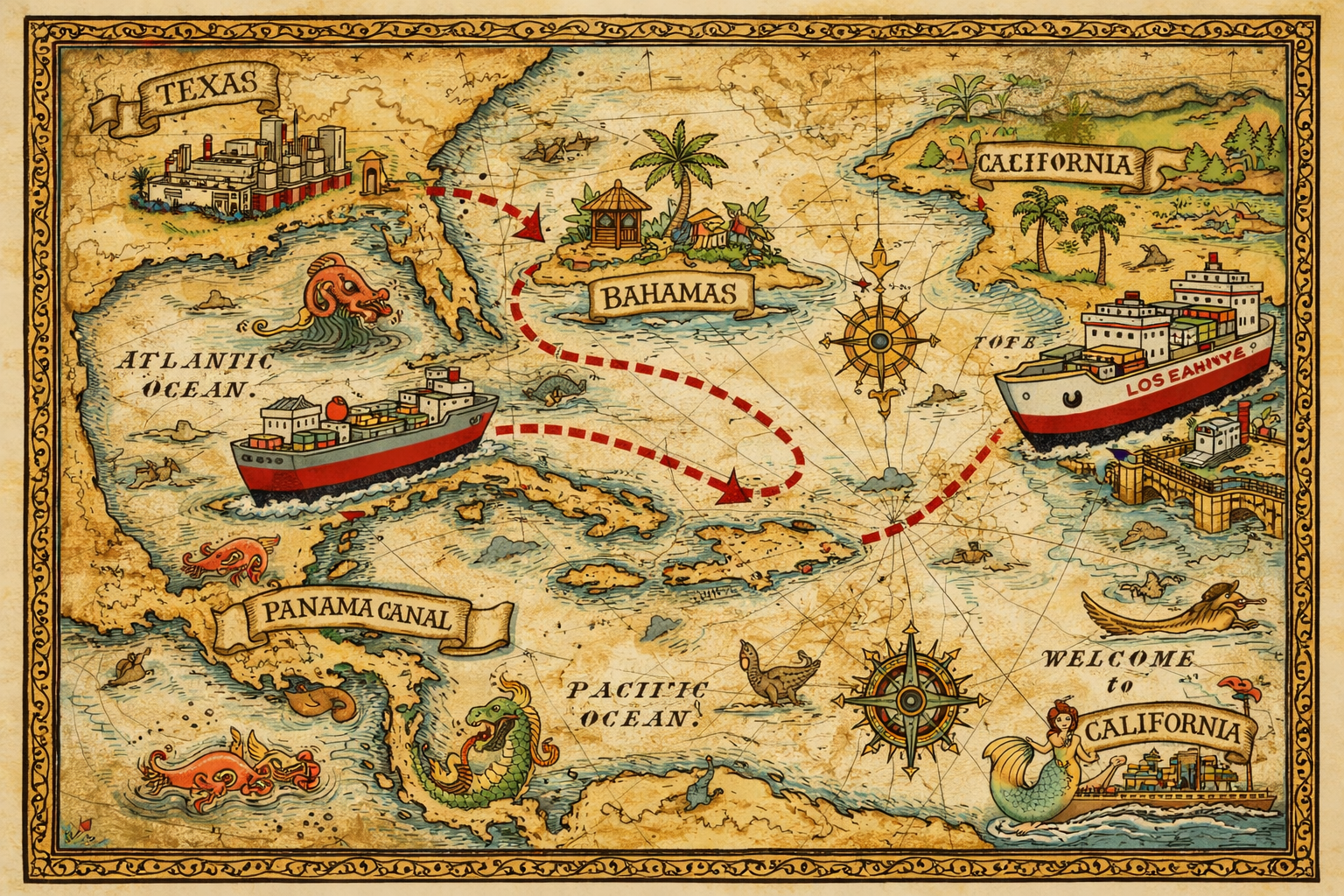
Texas refinery → Bahamas detour → Panama Canal → Port of L.A. All to dodge shipping rules. Per gallon it’s cheap, in total it’s miles of fuel moving fuel. Map accuracy questionable because sea monsters clearly drafted it.
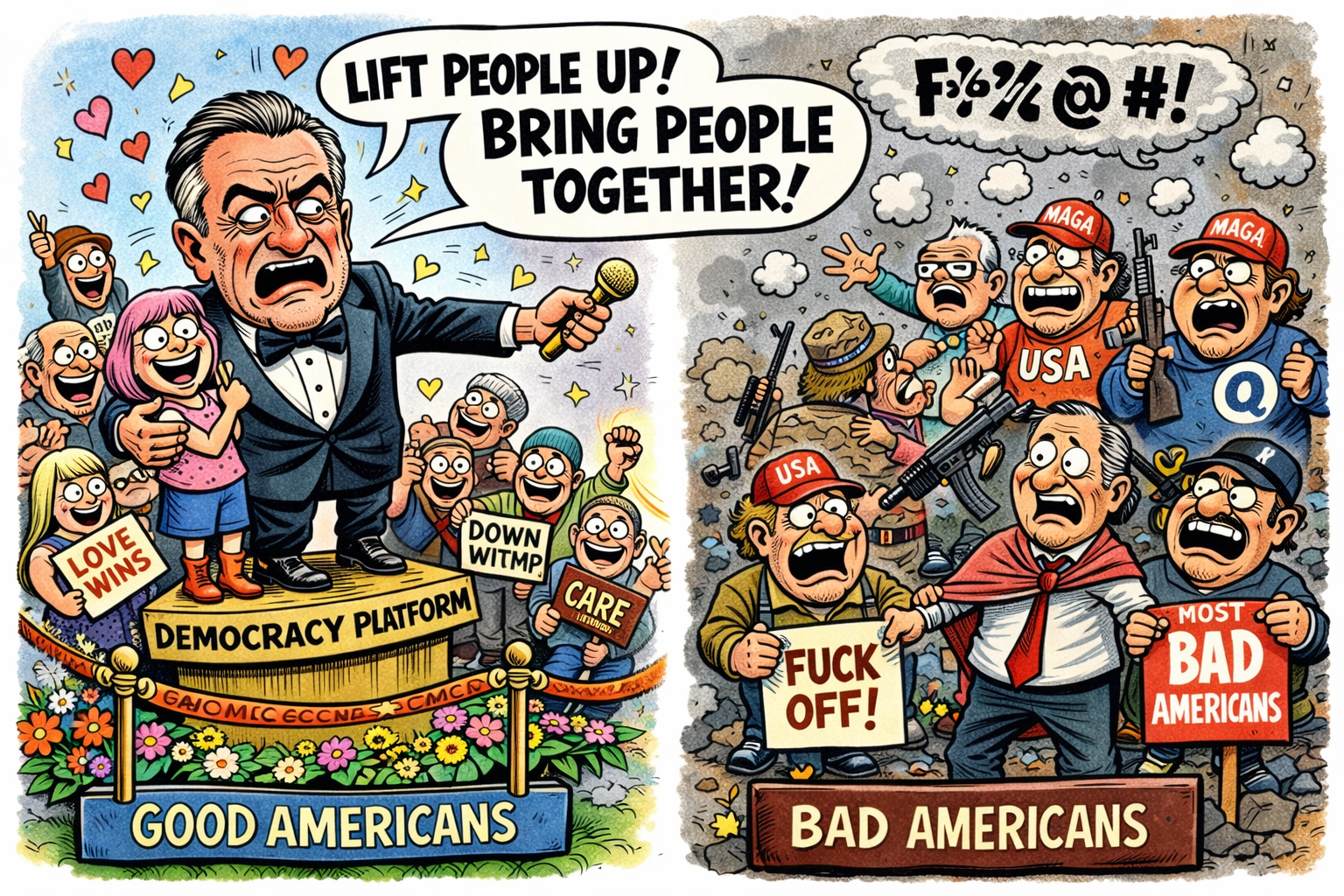
Robert De Niro talks about “bringing people together” and “lifting people up,” but rallying like-minded people against Trump isn’t national unity. That’s mobilizing a tribe. Real unity includes the Americans who disagree with you, not just fortifying your own circle and calling it the whole country.
I am really enjoying this. Every morning. Highly recommended.
Lent Pray40: The Return on Hallow

What an Entertainer
I watched most of the State of the Union without commentary—no panel, no fact-check crawl, just the podium and the room. And what struck me wasn’t policy detail. It was structure.
It felt less like a legislative address and more like a long-form roast. Not “haha” funny, not loose, not chaotic. Controlled. He handled interruptions the way a seasoned comic handles a tense crowd—turning toward hecklers, using them, keeping rhythm. Democrats became the foil. His own side got warmth and affirmation.
The patriotic beats were deliberate and heavy. Olympic victories still fresh. Hockey wins. FIFA coming. The 250th anniversary approaching. The 2028 Olympics on deck. The speech leaned hard into pride and national momentum. No language of shame. No historical apology. Just forward-facing confidence.
At certain moments he softened—especially when highlighting victims or Americans framed as heroic. Then the tone hardened sharply on immigration. The language narrowed to “killers” and “murderers.” The empathy had edges. It wasn’t universal; it was bounded.
The camera did its part. Spotlight a guest. Cue applause. Cut to Democrats sitting. Whether fair or not, that visual contrast is brutal on television. The person standing looks expansive. The people seated look small. He understands that dynamic.
It wasn’t vulnerability. It wasn’t “I feel your pain.” It was projection—strength, inevitability, control. And watching it raw, I could feel how it works on people who aren’t living inside political commentary all day.
The only thing I posted afterward—on a channel where I don’t do politics—was three words:
“What an entertainer.”
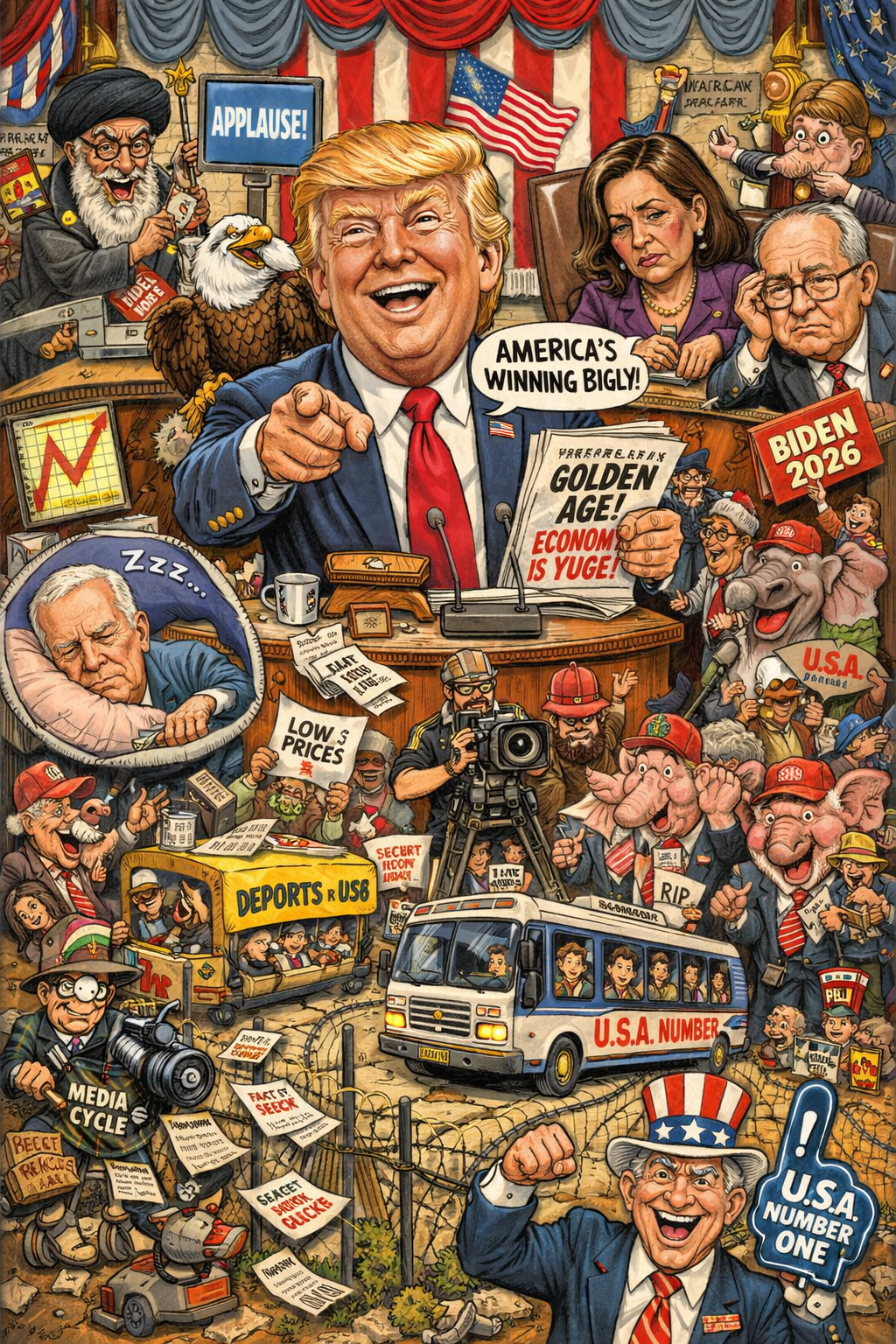
I watched the State of the Union without commentary and it felt different. Nearly two hours of stamina and command didn’t match the “he’s declining” narrative. The optics favored the speaker. It wasn’t therapy or apology. It was dominance. Whether that moves independents is another question.