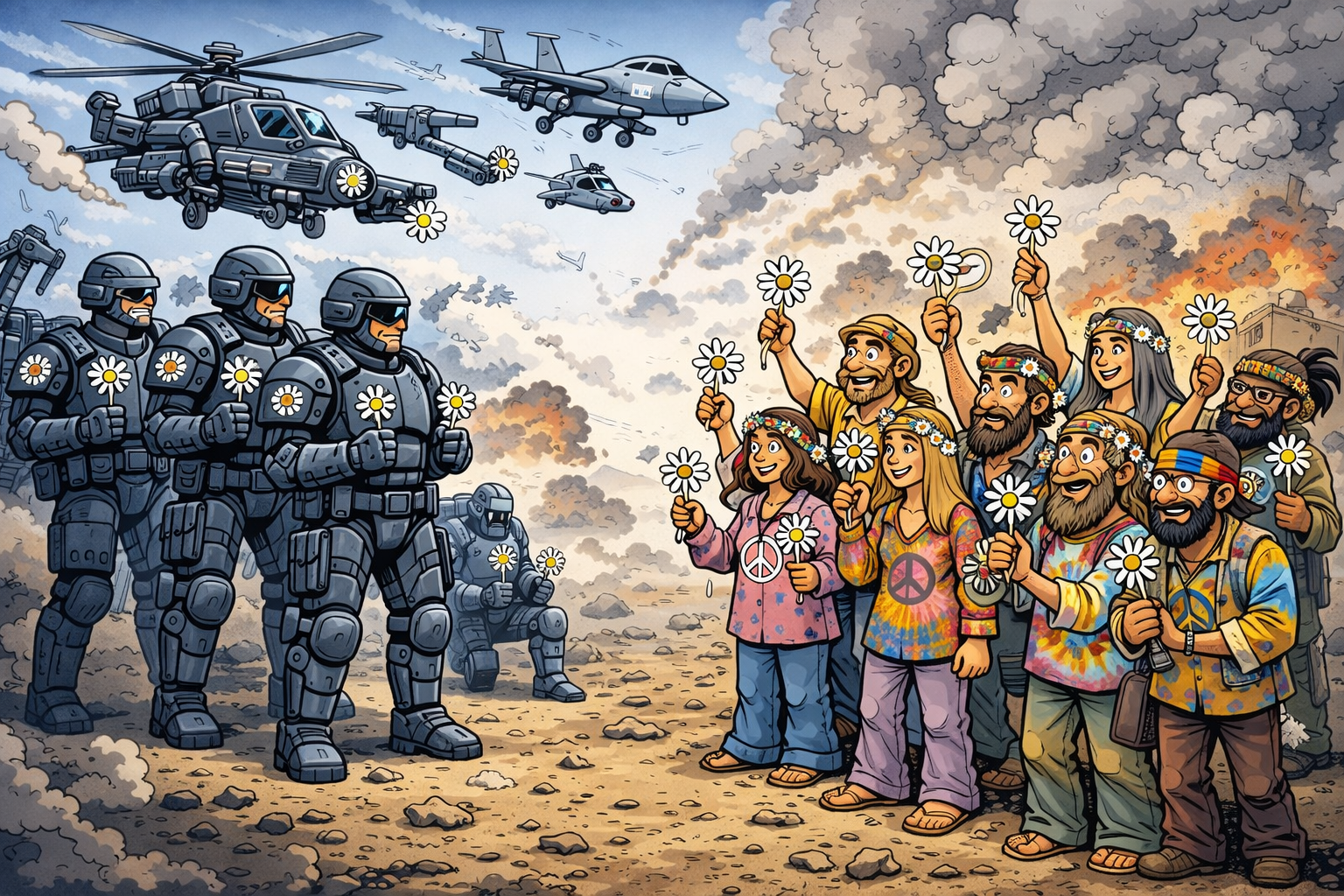
Restraint & Mercy aren't Givens
I don’t believe “should” is a safety system. It’s a story people tell themselves to feel protected in environments that don’t care about intent or righteousness. Victimhood doesn’t erase agency. People make constrained choices under pressure, but those choices still shape risk.
Assuming mercy—from strangers, crowds, activists, or law enforcement—is not a moral stance, it’s a gamble. Opening your belly or your neck to people with power because you believe they should be kind misunderstands how humans behave under stress, resentment, fear, and authority.
Law enforcement is not a refuge. The word enforcement includes force. The escalation ladder is real: command, physical contact, non-lethal force, restraint, lethal force. The Constitution and the law operate retroactively. In the field, reality operates immediately.
Protests—peaceful, mostly peaceful, or riots—are not asymmetrical moral spaces. They are symmetrical behavioral environments with asymmetrical weaponization. Being unarmed, morally correct, or less organized does not guarantee restraint from the other side. Insurgents aren’t treated like schoolchildren because they lack air superiority. History doesn’t work that way.
War is the same. Smaller, weaker, or less advanced forces are not treated more gently because they should be. Ukraine, Gaza, Afghanistan—none of these conflicts operate on entitlement to kindness. They operate on power, perception, and escalation.
The core mistake is confusing legality with safety, righteousness with protection, and “should” with physics. Words are cheap. Risk is real. Survival depends on understanding how environments actually behave—not how we wish they would.
Being vigilant isn’t cruelty. It’s realism.