I never hear the words tolerance or intolerance anymore
I never hear the words tolerance or intolerance anymore. Not really. They seem to have vanished from everyday moral language, replaced instead by labels like racist or anti-racist. That shift feels revealing—not because the newer terms are meaningless, but because they do different work.
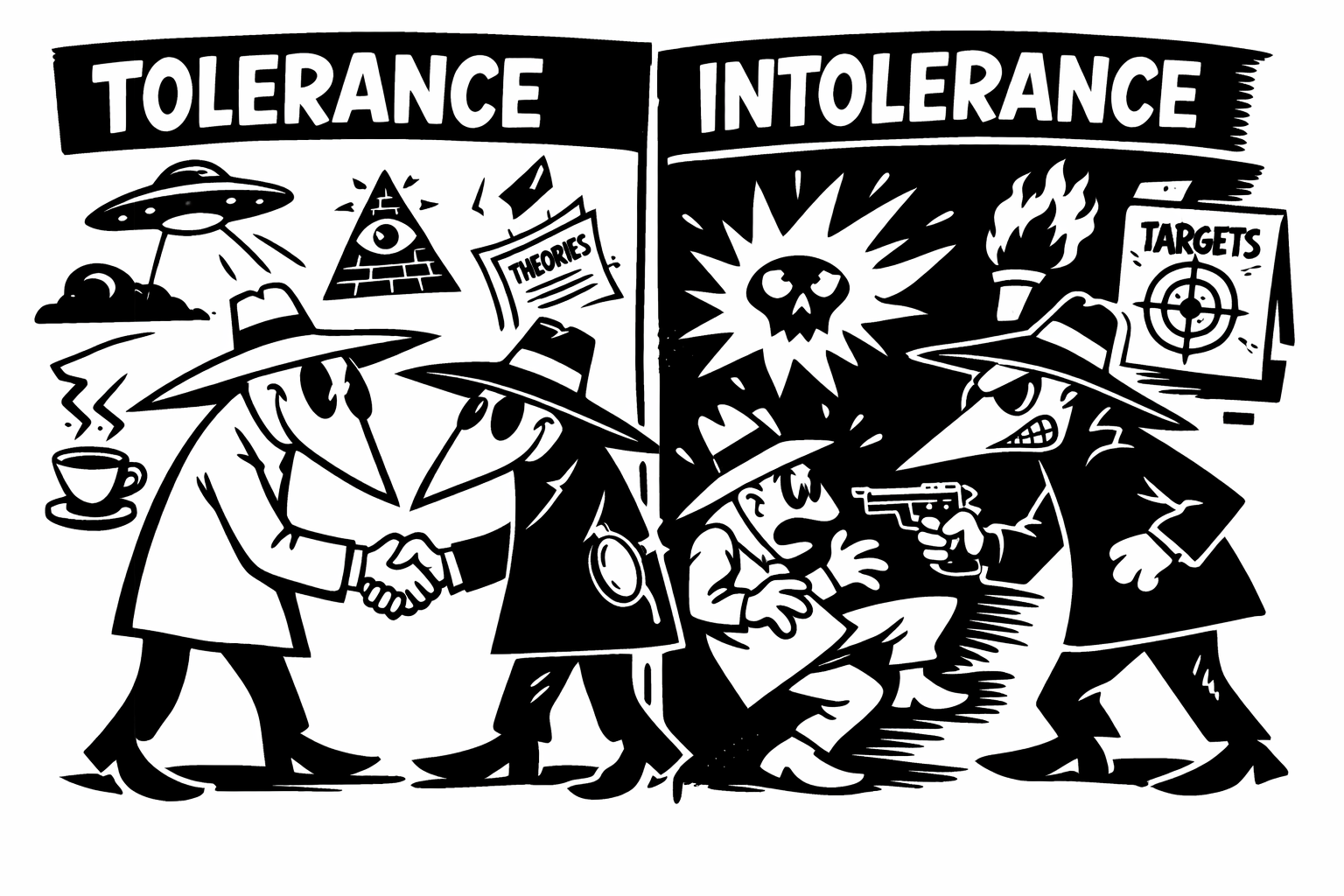
Tolerance was a behavioral concept. It described how people managed disagreement: by regulating actions rather than beliefs, and by allowing others to exist, speak, and participate without requiring approval or alignment. It assumed that people could hold uncomfortable, offensive, or unpopular views while remaining non-coercive. In that sense, tolerance functioned as a social discipline grounded in restraint.
Much of today’s moral language operates differently. Labels like racist or anti-racist tend to classify people by moral status rather than specific conduct. Disagreement, insufficient affirmation, or even neutrality can be interpreted not as tolerated difference, but as evidence of moral failure. The space tolerance once occupied—between approval and coercion—keeps shrinking.
This also reflects a deeper anxiety about risk. Tolerance relied on an assumption of latency: that most beliefs remain unacted upon, and that harm should be addressed at the level of behavior. When speech itself is treated as inherently activating, tolerance loses its role. The response shifts from coexistence toward preemption.
This isn’t an argument for indifference or acceptance of injustice. It’s an observation about how the disappearance of tolerance from our vocabulary signals a change in how disagreement is processed. Tolerance didn’t ask people to agree; it asked them not to coerce. Its quiet exit suggests a growing tendency to sort one another into categories of good or evil—rather than trusting ourselves to live with unresolved difference.