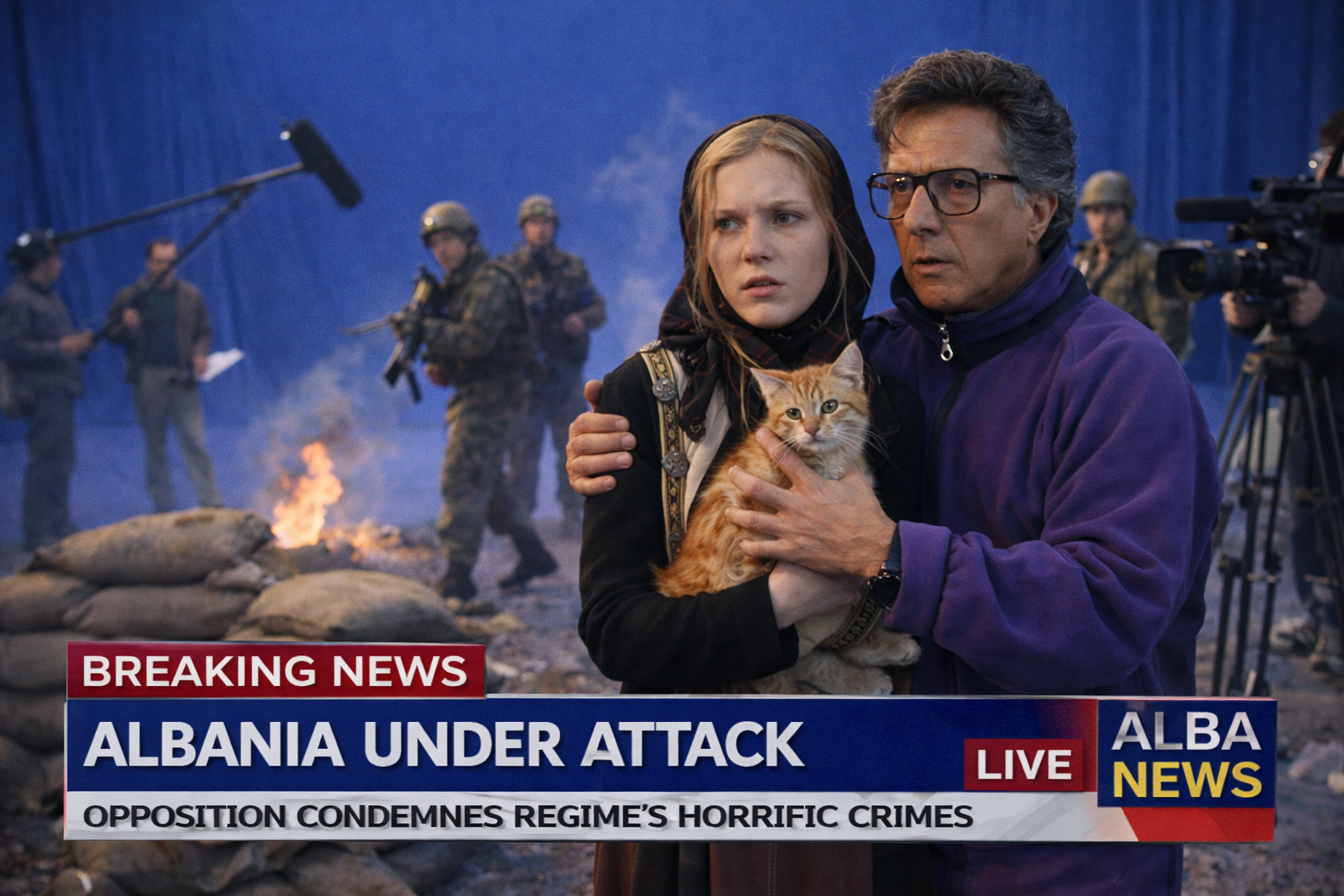
Revolution not Civil War
I don’t believe the United States in 2026 is on the brink of civil war, national collapse, or mass armed conflict. That framing misunderstands how revolutions historically develop. Based on my reading of Red Star Over China by Edgar Snow, a far more accurate model is a skirmish-based, vanguard-led revolutionary process—and even then, only in its early, non-violent phase.
Snow’s account of the Chinese Communist movement shows that revolution did not begin with open warfare or nationwide uprising. It began with scattered skirmishes, localized unrest, and small cadre actions in specific towns and regions. When Snow sought to meet Mao Zedong, he didn’t travel to a capital or a battlefield—he rode trains through contested areas to reach a remote town where Mao was holed up amid ongoing skirmishes. The revolution existed in fragments long before it became a “civil war.”
Crucially, Snow documents how discipline and moral positioning mattered. The revolutionary vanguard avoided drawing first blood. Initiating lethal violence too early would have destroyed legitimacy and reframed the movement as criminal or terrorist. Provocation, restraint, and narrative control were essential. The goal was to force the state to overreact—to be seen as the initiator of violence—because moral high ground was the prerequisite for any later escalation.
That historical pattern matters. Revolution is the objective, but it unfolds slowly. It does not begin with firefights or declarations. It begins with pressure, symbolism, selective confrontation, and carefully managed unrest. Open violence comes later, if at all, and only after legitimacy has been secured.
This is why modern unrest often appears “mostly peaceful,” why intent is denied, and why restraint is emphasized even amid confrontation. It is not chaos for its own sake. As Snow’s reporting makes clear, successful revolutions are patient, disciplined, and acutely aware that drawing first blood too soon ends the story before it begins.
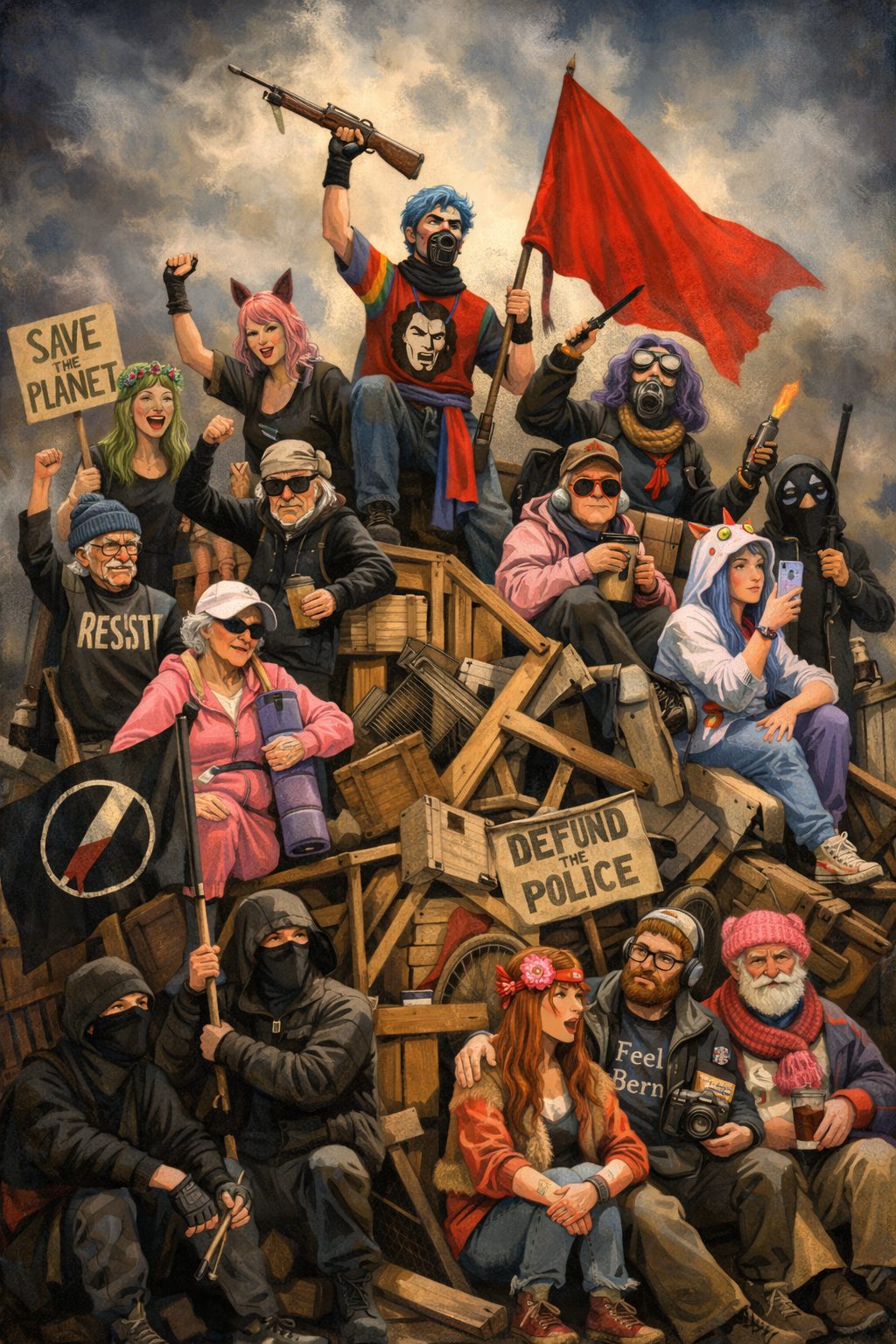
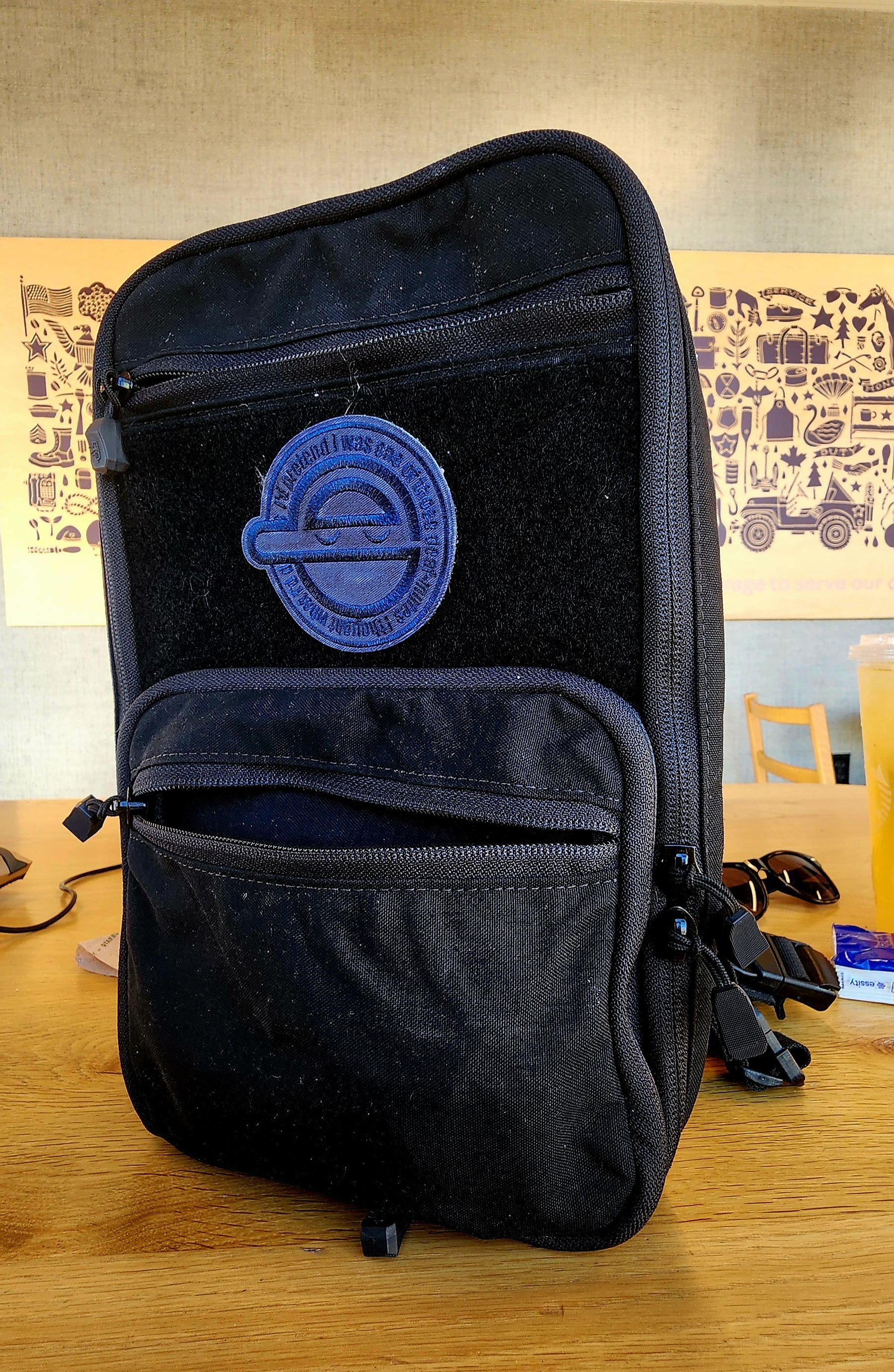
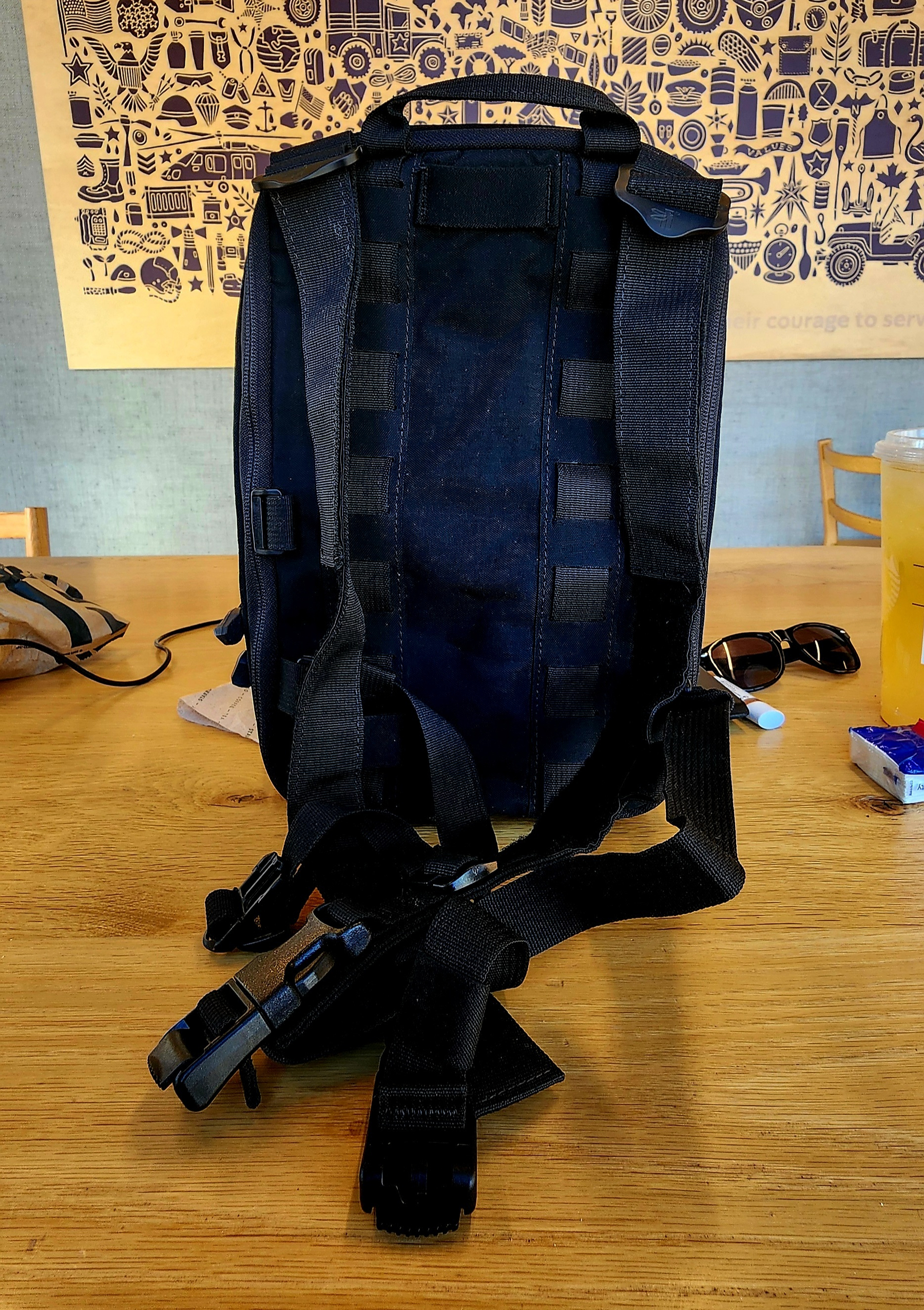
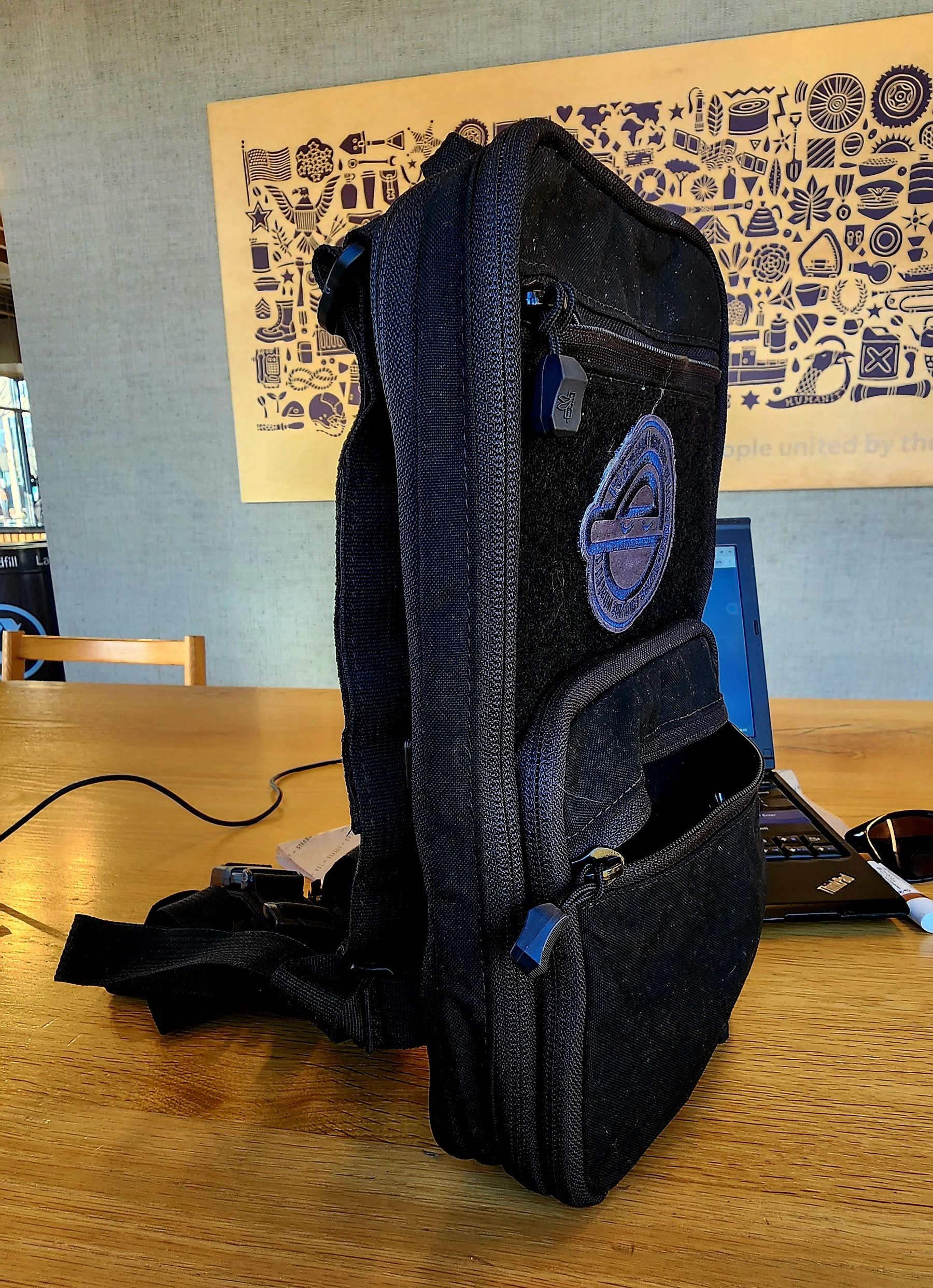
Turns out that this Haley Flatpack is the perfect minimalist work pack and barely fits my X220 plus accoutrements.
Best Dumpster Fire episode ever! Watch!
Democrats Are Falling For Commie Propaganda youtube.com/watch

Turns out both fearsome samurai and European knights were pretty compact. Samurai averaged about 5'1"–5'5", knights maybe 5'5"–5'7". Proof that terror doesn’t come from height. It comes from armor, discipline, and an alarming comfort with violence.
Denmark Confirms Forced Sterilization in Greenland www.worldpoliticsreview.com/denmark-g…
In the U.S., laws prohibit disrupting or intimidating people during protected activities. You cannot protest inside a church, interrupt services, block entrances, or harass worshippers. thenationaldesk.com/news/amer…


Good stuff. Love AJ & Hecklefish!
Ancient Prophecies Predicted Hitler’s Rise and Fall youtube.com/watch
Midterm Elections
In the last ~50 years, midterms almost always go against the sitting president. Since 1974, there have been 12 midterms. The president’s party lost seats in 10 of them. The only modern exceptions were 1998 under Bill Clinton and 2002 under George W. Bush, both shaped by unusual national events. Losing seats in midterms is the rule, not the anomaly.
Why the Insurrection Act Definitely Applies to Minneapolis Right Now youtube.com/watch
Snarky Jay is my Hero!
A GOODBYE to KATHLEEN KENNEDY | You Won’t Be Missed youtube.com/watch
Anyone know what the prediction markets (Kalshi/Polymarket) have on Trump invoking the Insurrection Act in Minneapolis this weekend?
My crow friends are back. I just ordered a 5lb bag of raw peanuts in the shell for them. I like having them around.

Fascinating. Must listen.
AI and the New Face of Antisemitism pocketcasts.com/podcast/m…
Fitbit is good again, finally.
I’ve worn a Fitbit band on my right wrist every single day since 2013. That’s more than a decade of continuous tracking. Steps, heart rate, sleep, workouts. Long before Google.
Long before smartwatches ate the category. Back then, Fitbit was social. Competitive. A little game-ified. Friends compared steps, joined challenges, poked each other to move. I actually used the app. That era faded as people drifted to Apple Watch and other platforms, and it got harder to organically find friends still wearing Fitbit.
Then Google bought Fitbit, and for a while it felt like the whole thing wandered into the wilderness. Hardware kept improving, but the app lost momentum. I stayed loyal to the device, but mostly ignored the software. I wore it, glanced at my stats on the watch face, charged it constantly (because “Charge” really does mean charge), and let the data quietly accumulate.
That changed today.
The new Fitbit app is legitimately good. The AI coach, goal setting, and adaptive workout planning finally feel coherent. I told it what gear I own, what my goals are, and that my knees are temperamental. It took all of that into account and built a plan that actually makes sense.
For the first time in over ten years of wearing Fitbit hardware, the software, hardware, and AI coaching feel like one integrated system again. Good enough that I may stop treating Fitbit as a passive background tracker and start using it as the place where I actually plan my fitness going forward.
Caveat: this appears to be a Fitbit Premium feature.

Deadly force lawyers' review of Good.
ICE Defense and Bad Legal Takes youtube.com/watch
Still Wagging the Dog
I’m not arguing that my view is correct. I’m arguing that your certainty is unjustified. I’m not presenting a counter-theory, and I’m not asking anyone to accept my conclusions. I’m not claiming better access, hidden sources, or clearer vision.
What I’m pushing back on is confidence itself. How quickly it forms, how clean it feels, and how rarely it’s interrogated once it settles in. Most of what we experience now arrives filtered, edited, repeated, and emotionally framed. That doesn’t automatically make it false, but it does make certainty feel premature.
I’m not saying nothing is real or that everything is fake. I’m saying confidence often outruns understanding. Doubt isn’t a flaw here; it’s a reasonable response to how indirect and mediated everything has become. I’m not here to replace one belief with another. I’m just questioning why certainty feels so available, so comfortable, and so unquestioned.
If that irritates you, that reaction is part of what I’m pointing at.