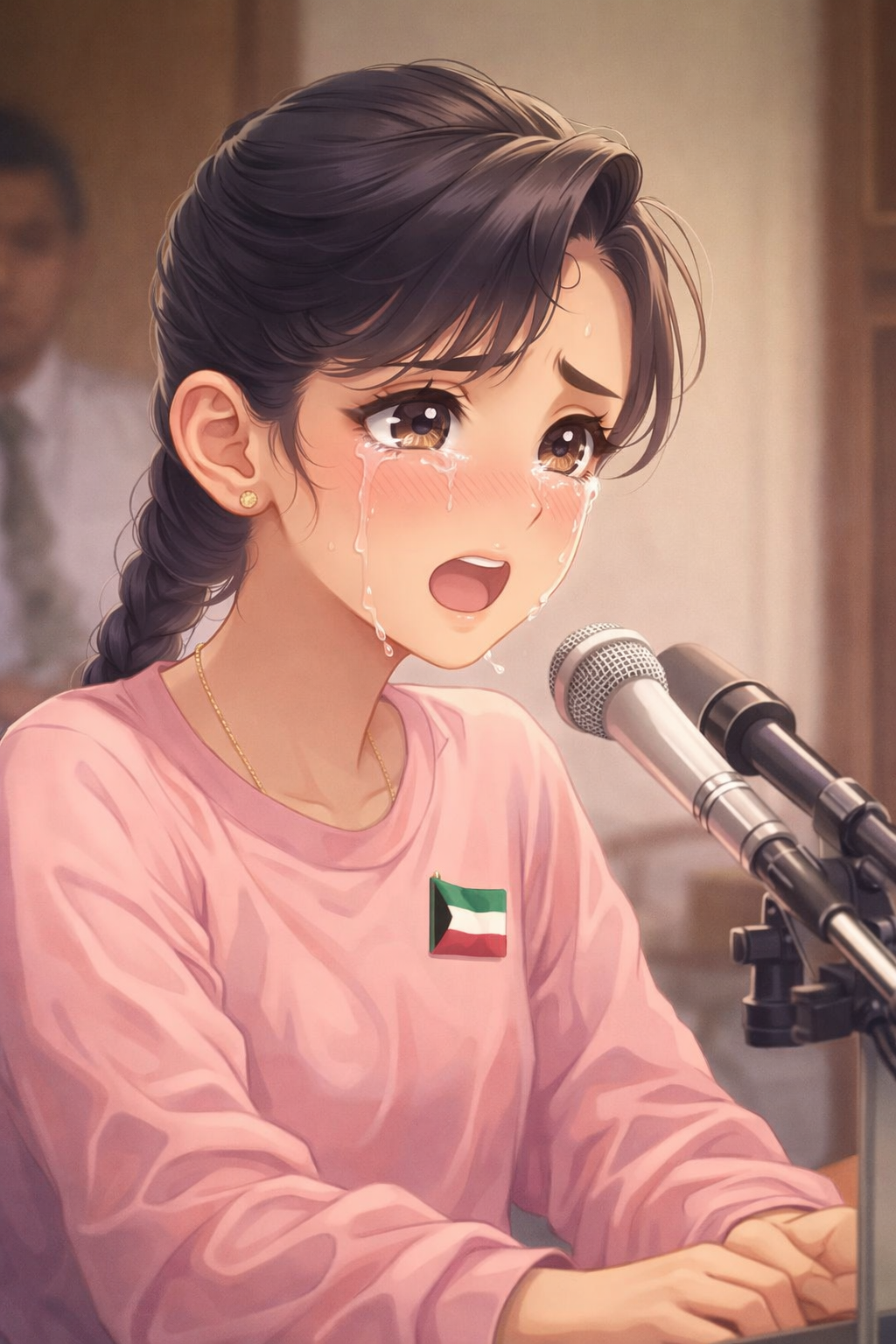
Most of you are too young to remember the Nayirah testimony
In August 1990, Iraq invaded the neighboring country of Kuwait. The United States and its allies had to decide whether to send military forces to push Iraq out. American public opinion was divided and the congressional vote to authorize force was not certain.
On October 10, 1990, a fifteen-year-old girl testified before a congressional caucus in Washington. She gave only her first name: Nayirah. She said she had volunteered at a hospital in Kuwait during the Iraqi occupation and witnessed something terrible. Iraqi soldiers, she said, had entered the maternity ward, removed premature babies from their incubators, and left them on the cold floor to die.
The story spread immediately. Television news ran it repeatedly. President George H.W. Bush cited it in public speeches. Senators referenced it from the floor during the war authorization debate. The Senate passed that authorization by five votes.
After the war, journalists and human rights investigators went to Kuwait and looked for evidence. They interviewed hospital staff and reviewed records. No one who had actually been at the hospital confirmed the story. Amnesty International, which had initially repeated similar claims, later retracted them.
Then the full picture emerged. Nayirah was not an ordinary Kuwaiti teenager. She was the daughter of Kuwait’s ambassador to the United States and a member of the country’s ruling family. That had never been disclosed. Her testimony had been arranged and her appearance coached by Hill & Knowlton, a private American public affairs firm that had been paid by the Kuwaiti government to build support for U.S. military intervention. The front group they created for the campaign was called Citizens for a Free Kuwait—it sounded like an American grassroots movement but was almost entirely funded by the Kuwaiti government.
No charges were filed. No formal congressional investigation followed.
This episode is now studied as one of the most documented examples of how wartime public opinion can be shaped through organized campaigns. It is not a story about any one country being uniquely dishonest. It is a reminder that during conflicts, governments and their representatives have powerful incentives to influence what the public believes—and that private firms can be hired to help them do it.