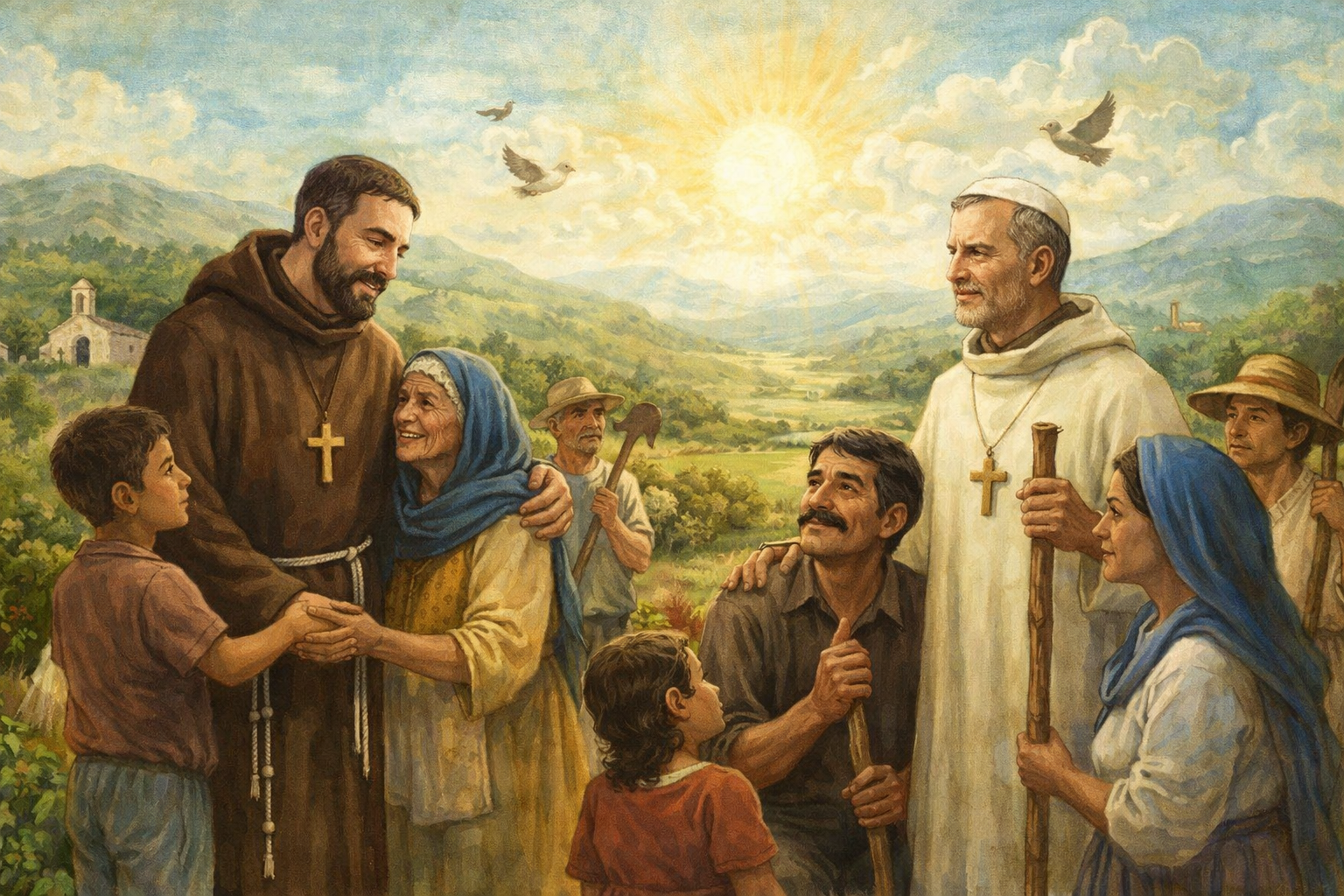
Liberation Theology is Still Theology
Liberation theology developed in Latin America in the mid-20th century, especially among Catholic clergy working in conditions of extreme poverty and political repression. Its central claim is what it calls the “preferential option for the poor,” meaning the Church must stand with those crushed by unjust economic and political systems. The emphasis is structural: class, land, labor, debt, state violence. It is concerned with how power operates and how poverty is maintained.
Because it speaks about “liberation,” people sometimes assume it is simply a religious endorsement of modern identity-based activism. That is not quite accurate. Liberation theology is still explicitly Christian. It does not erase categories of sin or dismiss the need for repentance. It does not reduce faith to self-expression or cultural pride. It frames injustice as sin, both personal and structural, and calls for metanoia, conversion of heart and society toward Christ.
In other words, it is not humanism wearing a collar. It reads the Gospel through the lived experience of the poor and insists that salvation has social implications. But it remains rooted in Christ, the Cross, repentance, and the moral demands of Christian discipleship. It does not automatically affirm every modern subculture claim. Its moral anthropology remains Christian, not secular progressive.
People can debate whether its methods, political alliances, or economic analysis are wise. Some critics argue it leaned too heavily on Marxist categories. Others believe it corrected a Church that was too comfortable with elites. But it is inaccurate to treat it as a blanket theological endorsement of contemporary identity movements. Its core lens is poverty and power, not subculture pride.